Mercati mondiali
From idea to Marketplace Readiness !
[... from Start Up to Scale Up ...]
Understanding the wild worldwide marketplace !
Developing and promoting "Public + Private = Partnerships" !
World Markets
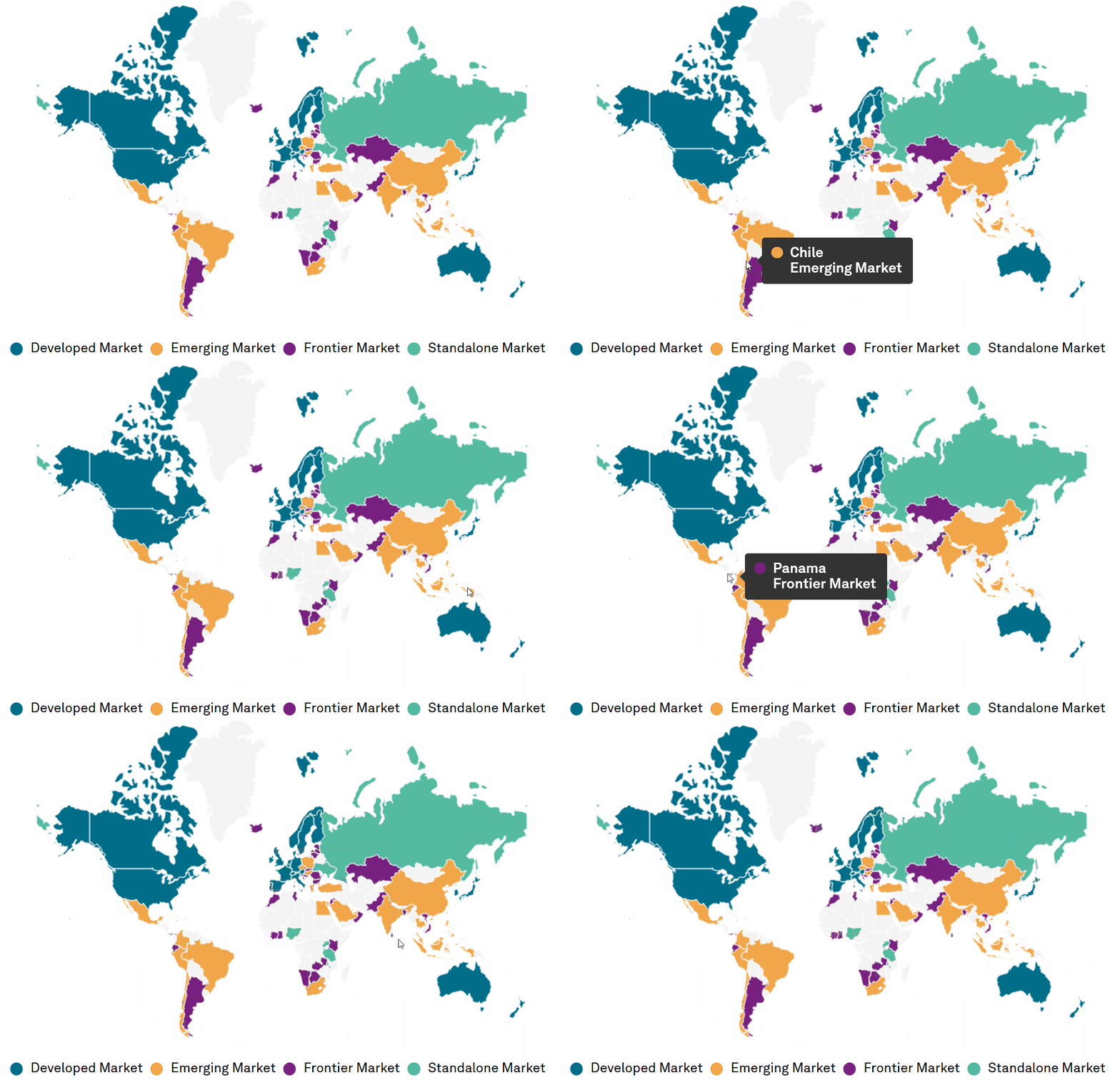
From Reaserch to Market Readiness !
Developing and promoting "Public + Private = Partnerships" !
IT
Oltre ai mercati tradizionali che esistono, ormai da decenni, oggi, esistono nuovi mercati emergenti che troveranno sempre più spazio nello scenario globale.
Le economie emergenti sono caratterizzati dalla loro sensibilità e volatilità ai fattori interni ed esterni di mercato come per esempio ai tassi di interesse delle banche centrali.
Per esempio i tagli di interesse della Fed possono innescare un nuovo ciclo positivo per queste economie emergenti.
Il successo di un mercato emergente molte volte dipende dalla capacità di generare fiducia tra gli investitori per permettere la scalabilità dei processi di produzione.
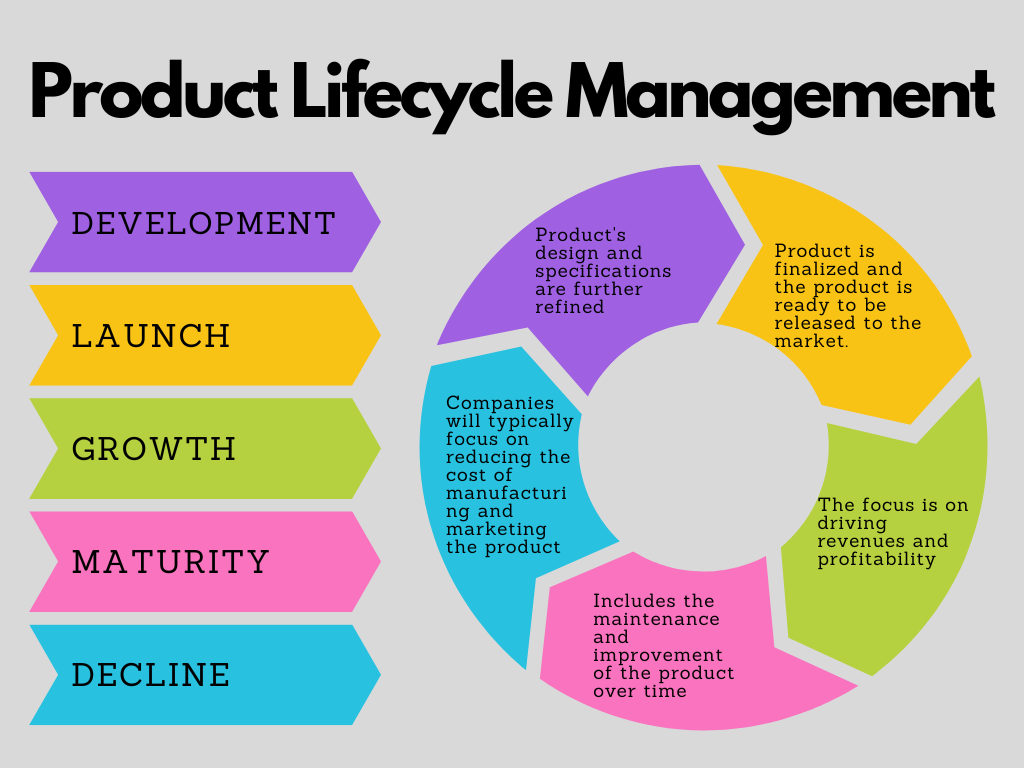
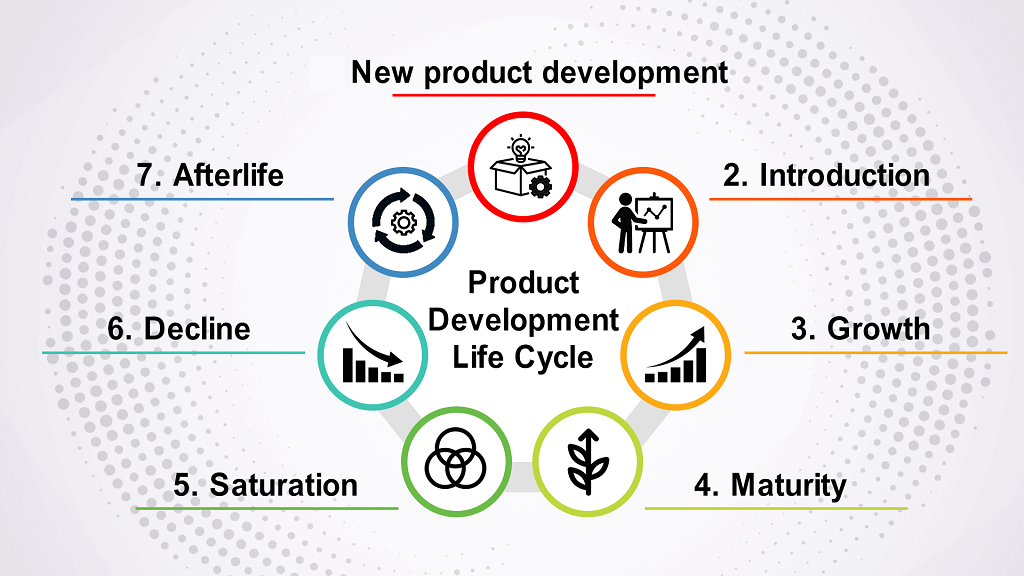
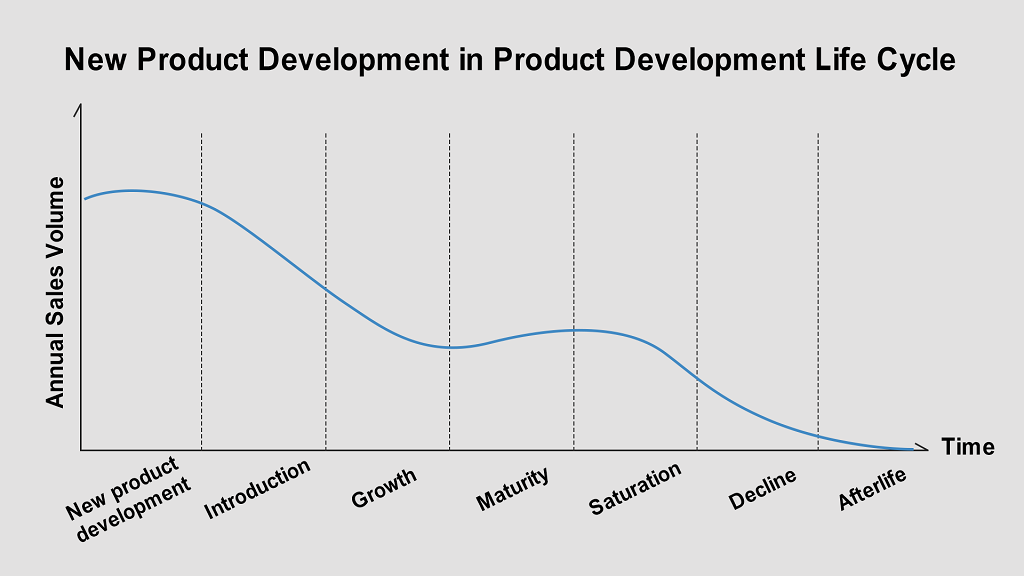
Quindi, a livello micro-economico, stabilità, innovazione e creazione di valore sul lungo termine, sono fattori cruciali che possono decreto il successo o il fallimento di una idea imprenditoriale e del suo (Product Lifecycle Management Process).
Mentre, a livello macro-economico (Governativo) il livello di attrattività degli investimenti dipende dal livello di maturità raggiunto del mercato dei capitali (sistema finanziario e bancario).
EN
Understanding the Markets
Frontier markets are third in the investing hierarchy.
Ahead of them are developed and emerging markets, and below are standalone markets.
Market classifications are not focused on a country’s wealth but on the stage of development of their capital markets.
The criteria for market classification focus on openness to foreign ownership and the ease of capital flows.
The MSCI, the world’s biggest index compiler, requires that the country have at least two companies worth $700 million each.
However, with the financial markets, the market value is key.
Frontier markets have a significantly smaller market value ($715 billion) compared to emerging markets worth around $20 trillion.
Developed Markets
In investing, a developed market is a country that is most developed in terms of its economy and capital markets. The country must be high income, but this also includes openness to foreign ownership, ease of capital movement, and efficiency of market institutions.
>>> Read more
Emerging Markets
An emerging market (or an emerging country or an emerging economy) is a market that has some characteristics of a developed market, but does not fully meet its standards.This includes markets that may become developed markets in the future or were in the past.
>>> Read more
Frontier Market
A frontier market is a term for a type of developing country's market economy which is more developed than a
least developed country's, but too small, risky, or illiquid to be generally classified as an emerging market economy.
Frontier markets exhibit a large degree of inefficiency primarily because of the capital markets being in the early stage of development. The lack of transparency causes information asymmetry, and this results in a wide disparity between a company’s value and potential for growth and its current share price.
>>> Read more
Standalone Markets
On June 24, 2021, the Argentine Republic (“Argentina”) was reclassified as MSCI Standalone Market by Morgan Stanley Capital International (“MSCI“), consequently, Argentina will cease to have the Emerging Market status, category in which it had been classified by MSCI in 2018 and effectively incorporated in 2019.
The reclassification into the standalone market category places the argentine market within a small group (which also includes Jamaica, Panama, Trinidad & Tobago, Bosnia, Malta, Zimbabwe, Lebanon and Palestine) and was established due to the exchange controls set forth in Argentina as of September 1st, 2019, are not in line with the accessibility criteria for the MSCI Emerging Markets Index and MSCI Frontier Markets Index.
The MSCI indexes are composed of a series of Securities which serve as benchmarks reflecting the evolution of the markets to which they belong and are reviewed on a quarterly basis and their composition is rebalanced twice a year.
>>> Read more
Links:
>>> https://www.imf.org/en/Publications/WEO/weo-database/2024/April/groups-and-aggregates
>>> https://www.spglobal.com/spdji/en/landing/topic/market-classification/
>>> https://www.msci.com/our-solutions/indexes/market-classification
>>> https://www.investopedia.com/best-25-sp500-stocks-8550793
...