Event Management
Book Joseph Caristena to speak at your next event
as
Keynote Speaker/Panelist/Special Guest
Dr. Joseph Caristena is a worldwide keynote speaker who makes
"Diplomacy & AI" inspiring and easy to understand.
By sharing highlights, insightful research and stories,
Dr. Joseph Caristena empowers audiences to explore and drive
positive change through "Diplomacy & AI" and much more.

Email:
info@egovmetrics.com
+393491456195
Message:
Let's talk about EGov Metrics
And while you think, take a break
and listen these big artists !
Discover Gil Scott Heron !

Gil Scott Heron
Gil Scott Heron was a revolutionary artist and activist who is most well known for his poetry, especially the spoken word albums that he began recording in the 1970s with a backing band. His poems combined sharp political statements and streetwise insight with rhythmic elements that went on to inspire generations of Hip-Hop artists, earning him the title ''Godfather of Hip-Hop.''
However, he pushed back on this title and described himself as a bluesologist, which he described as the scientific study of the origins of the blues. He was interested in the origin and progression of the blues and black music and saw himself as one step along this evolution rather than the beginning of Hip-Hop. His poems and music were dominated by political themes, and he became seen as a key figure in the counterculture, earning comparisons to other figures. For this, he earned another nickname - the Black Bob Dylan.
He is most well known for his piece "The Revolution Will Not Be Televised" which has been sampled in Hip-Hop songs countless times.
What did Gil Scott-Heron mean when he said:
"The Revolution Will Not Be Televised ?"
When Gil Scott-Heron said that the revolution will not be televised, he meant that real action and real change will never happen through mass media, because regular people who wants the big change will turn off their TV and go out in the streets to make a better lives for themselves.
Heron wanted to show how the broadcasting popular culture, mass media and advertising were a social barrier to big change (real revolution) and irrelevant in the grand scheme of things.
What award did Gil Scott-Heron win after he passed away ?
After his death in 2010, Gil Scott-Heron received the Grammy Award for lifetime achievement. Two of his children attended the ceremony to receive the award on his behalf.
Gil Scott-Heron
Gil Scott-Heron
Lady Day and John Coltrane
https://www.youtube.com/watch?v=7aRNUsmfeck


Discover Donna Hathaway !
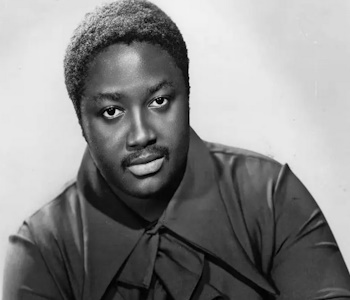
Donna Hathaway
Donna Hathaway was born in Chicago to parents Drusella Huntley and Hosea Brown, who separated shortly after his birth. He was raised in the Carr Square neighborhood in St. Louis, Missouri, by Huntley and his maternal grandmother, Martha Pitts (also known as Martha Crumwell), a professional gospel music singer.
Soul singer Donny Hathaway grew up in St. Louis and graduated from Vashon High in 1963.
Already an accomplished producer, composer and musician, in 1970 he released the album Everything Is Everything, which included the R&B hit “The Ghetto.”
Hathaway released two outstanding studio albums in the next three years, as well as Donny Hathaway Live and an album of duets, Roberta Flack & Donny Hathaway. He collaborated frequently with Flack, and the duo earned two Top 10 hits: 1972’s Grammy-winning “Where Is the Love” and 1978’s “The Closer I Get to You.”
Admired by generations of fans and fellow musicians, Donny Hathaway’s influence on soul, R&B and pop music far outweighed his relatively brief recording career.
Donny Hathaway
Discover Bobby Womack !
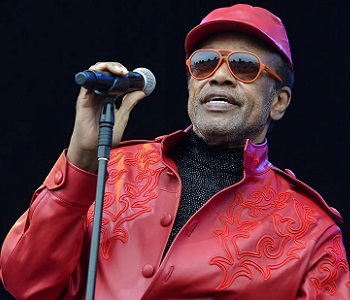
Bobby Womack
Bobby Womack was a prominent African-American whose musical career spanned six decades, creating 23 studio albums that garnered international acclaim, and was immortalized in the Cleveland Rock and Roll Hall of Fame as a member of the class of 2009.
The foundational essence of Bobby Womack’s music can be observed in his childhood experiences with his familial entrenchment within their local BAPTIST church.
In a career that spanned two centuries and seven decades, the soul singer, songwriter and guitarist carved a niche for himself that has rarely been equalled, and never surpassed. He is, quite simply, irreplaceable.
A phenomenally gifted musician, his incredible talent helped him to escape the ghetto and become a star, with 30 million record sales to his name.
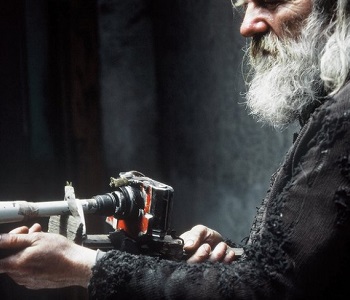
Miroslav Tichý
>>> https://worldstar.sleeping-tiger.com

https://www.youtube.com/watch?v=Pg9rTIGtENs
EN
Who is a Plenary Speaker?
A plenary speaker is a presenter who addresses the entire audience of a conference or event during a plenary session, which typically involves all attendees gathered together in one central space. Plenary speakers deliver engaging, informative, and often inspirational talks catering to the audience’s diverse interests and backgrounds.
Here are some qualities of a good plenary speaker:
- Expertise: A good plenary speaker is an expert in their field, possessing in-depth knowledge and understanding of the subject matter they are addressing. Their expertise lends credibility to their talk and instills confidence in the audience.
- Engaging Communication Skills: Effective communication is key for a plenary speaker. They should be able to convey complex ideas clearly and understandably, keeping the audience engaged and interested throughout their presentation.
- Charisma and Presence: A good plenary speaker exudes charisma and has a commanding presence on stage. They captivate the audience with their confidence, passion, and enthusiasm for their topic, making them compelling to listen to.
- Ability to Inspire: A great plenary speaker has the ability to inspire and motivate their audience. Whether through storytelling, sharing personal experiences, or providing practical insights, they leave a lasting impact that encourages action and reflection.
Who is a Keynote Speaker?
A keynote speaker is a featured presenter at an event who sets the tone, theme, or main message of the gathering. They often speak at the beginning of the event, delivering a high-impact talk intended to capture the audience’s attention and generate enthusiasm for the rest of the program. Keynote speakers are typically chosen for their expertise, influence, and ability to inspire and engage audiences.
Some qualities of a good Keynote Speaker:
- Visionary Leadership: A good keynote speaker possesses visionary leadership qualities. They offer unique insights and perspectives that inspire others to think differently and embrace new ideas. They have a clear vision of the future and can articulate it in a compelling and persuasive manner.
- Inspiring Storytelling: Keynote speakers are adept storytellers who weave personal anecdotes, experiences, and examples into their presentations. They connect with the audience on an emotional level, leaving a lasting impression and inspiring action through the power of storytelling.
- Adaptability and Flexibility: A good keynote speaker is adaptable and flexible, able to tailor their message to suit the specific needs and interests of the audience. They can adjust their delivery style and content on the fly, ensuring maximum relevance and impact for each audience they address.
- Interactive Engagement: While keynote presentations are often one-way communication, a good keynote speaker finds ways to engage the audience and encourage participation. Whether through interactive polls, audience Q&A sessions, or group activities, they create opportunities for dialogue and connection.